
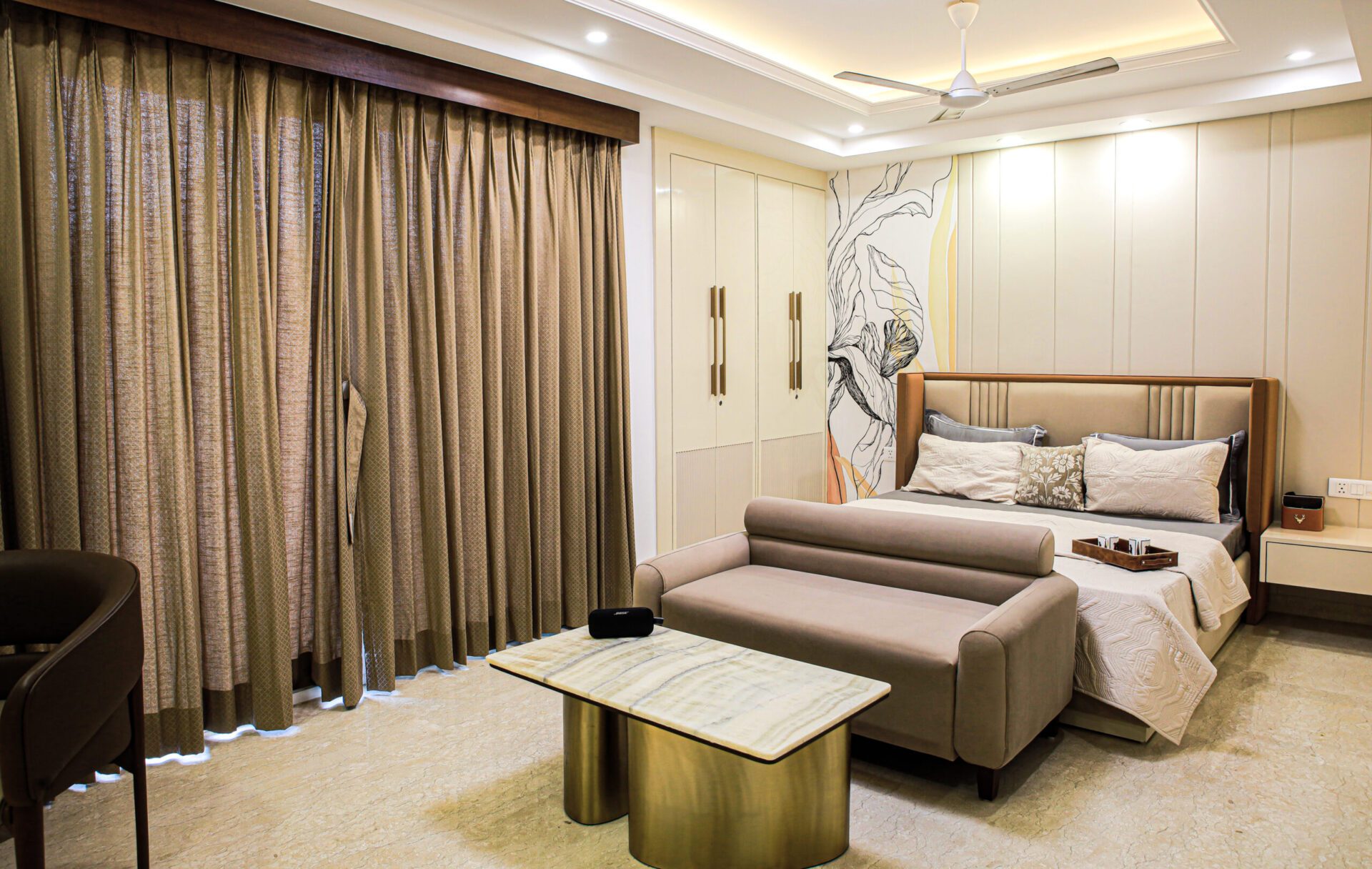
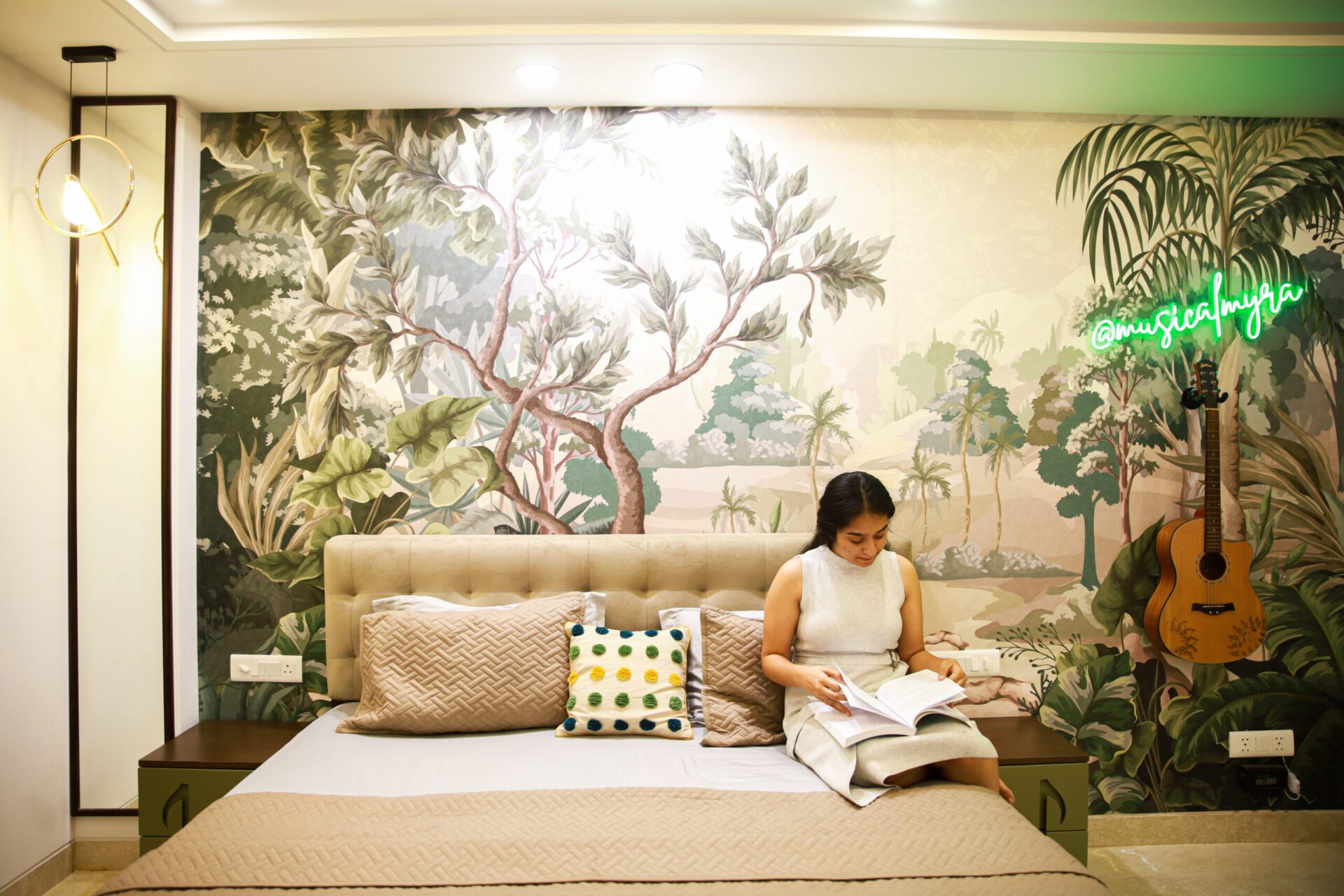
Elegant living spaces bloom with inspiration from https://thespinkings.uk, transforming houses into homes
- Elegant living spaces bloom with inspiration from https://thespinkings.uk, transforming houses into homes
- The Art of Layering Textures and Materials
- The Importance of Natural Fibers
- Curating a Cohesive Color Palette
- The 60-30-10 Rule
- Optimizing Space with Smart Furniture Choices
- The Role of Mirrors in Creating Space
- The Significance of Lighting in Interior Design
- Bringing the Outdoors In: Biophilic Design Principles
Elegant living spaces bloom with inspiration from https://thespinkings.uk, transforming houses into homes
Creating a truly inviting and comfortable home is a desire shared by many, and the journey often begins with seeking inspiration and guidance. Transforming a house into a home involves more than just arranging furniture; it’s about cultivating an atmosphere that reflects personal style, promotes relaxation, and fosters connection. For those embarking on this exciting process, resources offering curated selections of elegant furnishings and thoughtful design advice are invaluable. Exploring options like those available at https://thespinkings.uk can provide a solid foundation for building spaces that are both beautiful and functional.
The key to successful interior design lies in understanding how different elements work together to create a harmonious whole. This includes considering not only aesthetics, such as color palettes and textures, but also practical aspects like space planning and lighting. It’s about finding the balance between visual appeal and everyday usability, ensuring that a home is not just visually stunning, but also a comfortable and supportive environment for living. The influence of quality craftsmanship and timeless design principles is paramount in achieving a lasting and satisfying result.
The Art of Layering Textures and Materials
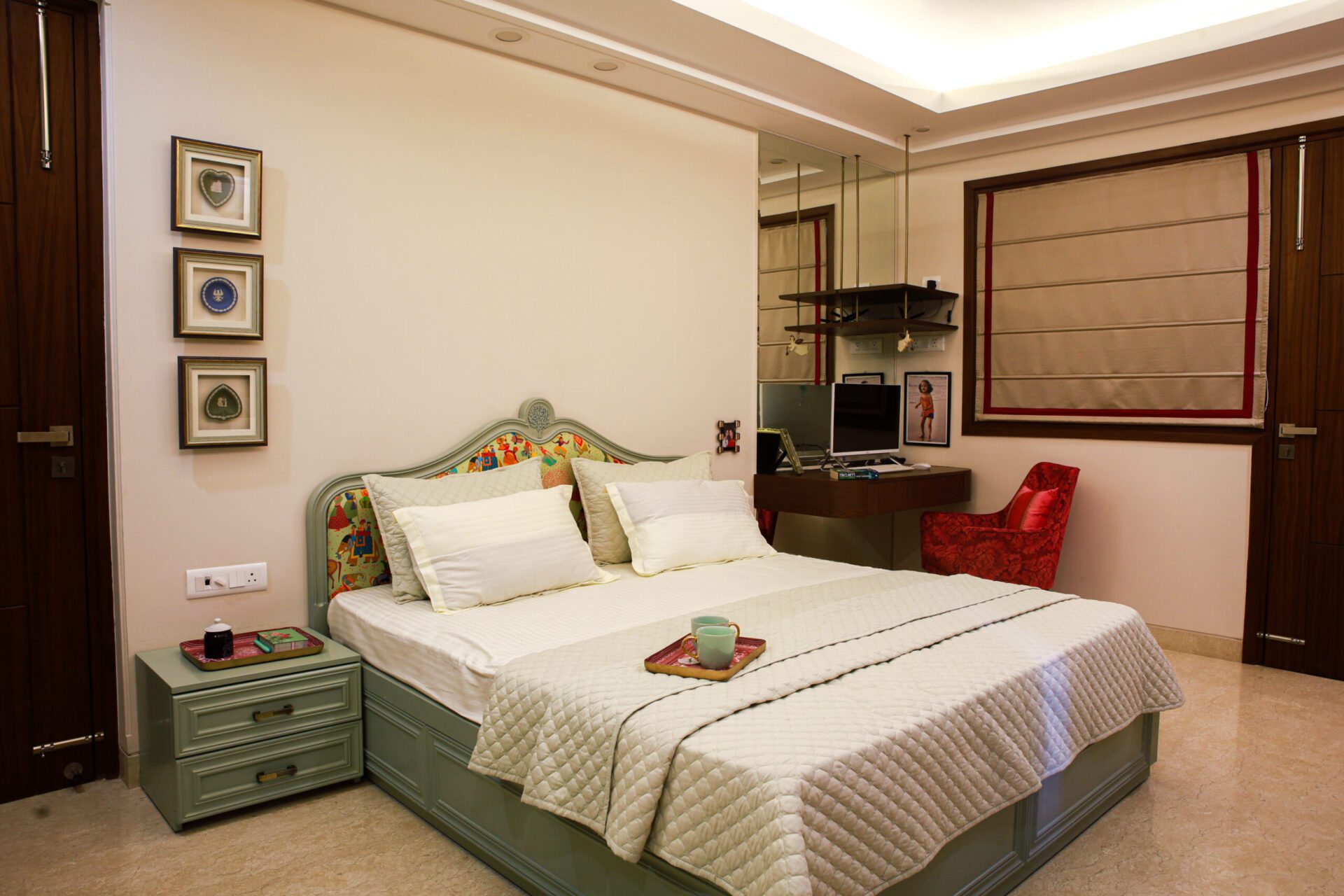
A frequently overlooked, yet powerfully impactful, aspect of interior design is the skillful layering of textures and materials. This goes beyond simply choosing fabrics and finishes; it's about creating a tactile experience that engages the senses and adds depth to a space. Think about the interplay between rough and smooth surfaces, natural and synthetic materials, and light and shadow. Combining a plush velvet sofa with a rustic wooden coffee table, for example, can create a captivating contrast that’s both visually interesting and inviting to the touch. The same principle applies to flooring, where a layered approach – perhaps combining a natural fiber rug over hardwood – can introduce warmth and character. Effective layering avoids monotony and contributes significantly to a room’s overall feeling of richness and sophistication. It’s a technique that transforms a space from feeling flat and one-dimensional to being full and inviting. Remember that texture isn’t limited to fabrics – consider the texture of wall paint, the grain of wood, or even the sheen of metal accents.
The Importance of Natural Fibers
Within the broader concept of texture layering, natural fibers play a particularly important role. Materials like wool, linen, cotton, and silk bring an inherent warmth and organic quality to a space that synthetic alternatives often lack. They also offer a range of textures themselves, from the soft, luxurious feel of cashmere to the coarser weave of jute. Incorporating these materials through rugs, throws, curtains, and upholstery instantly elevates a room’s aesthetic and creates a sense of comfort. Beyond their aesthetic appeal, natural fibers are generally more sustainable and environmentally friendly choices, aligning with a growing trend toward conscious consumerism. They also tend to be more breathable and durable, making them practical options for everyday living. Furthermore, they can contribute to improved indoor air quality, creating a healthier living environment.
| Material | Texture | Benefits |
|---|---|---|
| Wool | Soft, Plush, Warm | Durability, Natural Insulation, Comfort |
| Linen | Cool, Crisp, Relaxed | Breathability, Lightweight, Timeless Style |
| Cotton | Versatile, Comfortable, Soft | Affordability, Easy Care, Wide Range of Applications |
| Silk | Luxurious, Smooth, Delicate | Elegant Sheen, Drape, High-End Appeal |
The choice of materials should always be considered in relation to the overall design scheme and the intended use of the space. A light and airy bedroom might benefit from linen curtains and cotton bedding, while a cozy living room could feature a wool rug and velvet cushions.
Curating a Cohesive Color Palette
Establishing a cohesive color palette is fundamental to creating a harmonious and visually appealing interior. It’s not simply about choosing colors you like; it’s about understanding how different hues interact with each other and how they affect the mood of a space. A well-defined color scheme provides a unifying element that ties all the individual components of a room together, creating a sense of balance and flow. Begin by identifying a core color – often a neutral shade – that will serve as the foundation for the palette. From there, you can introduce complementary colors, accent hues, and varying shades to add depth and interest. Consider the psychological effects of different colors; blues and greens are generally considered calming and serene, while reds and oranges are more energizing and stimulating. The amount of natural light in a room also plays a role in how colors are perceived, so it’s important to test paint samples under different lighting conditions before making a final decision. Resources like color scheme generators can be helpful for exploring different combinations and visualizing how they might look in a space.
The 60-30-10 Rule
A useful guideline for creating a balanced color palette is the 60-30-10 rule. This suggests that 60% of the room should be dominated by the dominant color, typically a neutral shade. 30% of the space should be dedicated to secondary colors, which can be used for walls, upholstery, and larger furniture pieces. Finally, the remaining 10% should be reserved for accent colors, which can be incorporated through accessories, artwork, and smaller decorative items. This rule provides a framework for creating a visually appealing and harmonious look without overwhelming the space. It’s important to note that this is just a guideline, and you can adjust the percentages to suit your personal preferences and the specific characteristics of the room. However, it’s a good starting point for those who are unsure where to begin. The key is to create a sense of visual hierarchy, with the dominant color anchoring the space and the accent colors adding pops of interest.
- Choose a dominant neutral color for walls and large furniture.
- Select a secondary color to complement the dominant hue.
- Introduce accent colors through accessories and artwork.
- Consider the psychological effects of different colors.
- Test paint samples under different lighting conditions.
Experimentation is crucial. Don't be afraid to try different combinations until you find a palette that resonates with your personal style and creates the atmosphere you desire. For inspiration, explore design magazines, online galleries, or even natural landscapes.
Optimizing Space with Smart Furniture Choices
Maximizing space, especially in smaller homes or apartments, requires careful consideration of furniture choices. It's not just about selecting pieces that fit physically, but also about prioritizing functionality and versatility. Multi-functional furniture, such as sofa beds, storage ottomans, and expandable dining tables, can be game-changers, allowing you to make the most of limited square footage. Consider vertical space as well; tall bookshelves and wall-mounted shelving units can provide ample storage without taking up valuable floor space. When choosing furniture, prioritize quality over quantity. Investing in a few well-made, durable pieces that will last for years is often a better strategy than filling a space with cheap, flimsy items that will need to be replaced frequently. Scale is also important; avoid overwhelming small rooms with oversized furniture. Opt for pieces that are proportionate to the size of the space, creating a sense of openness and airiness. A thoughtfully chosen rug can also define a space and create a sense of cohesion. Taking precise measurements before purchasing any furniture is essential to ensure a proper fit.
The Role of Mirrors in Creating Space
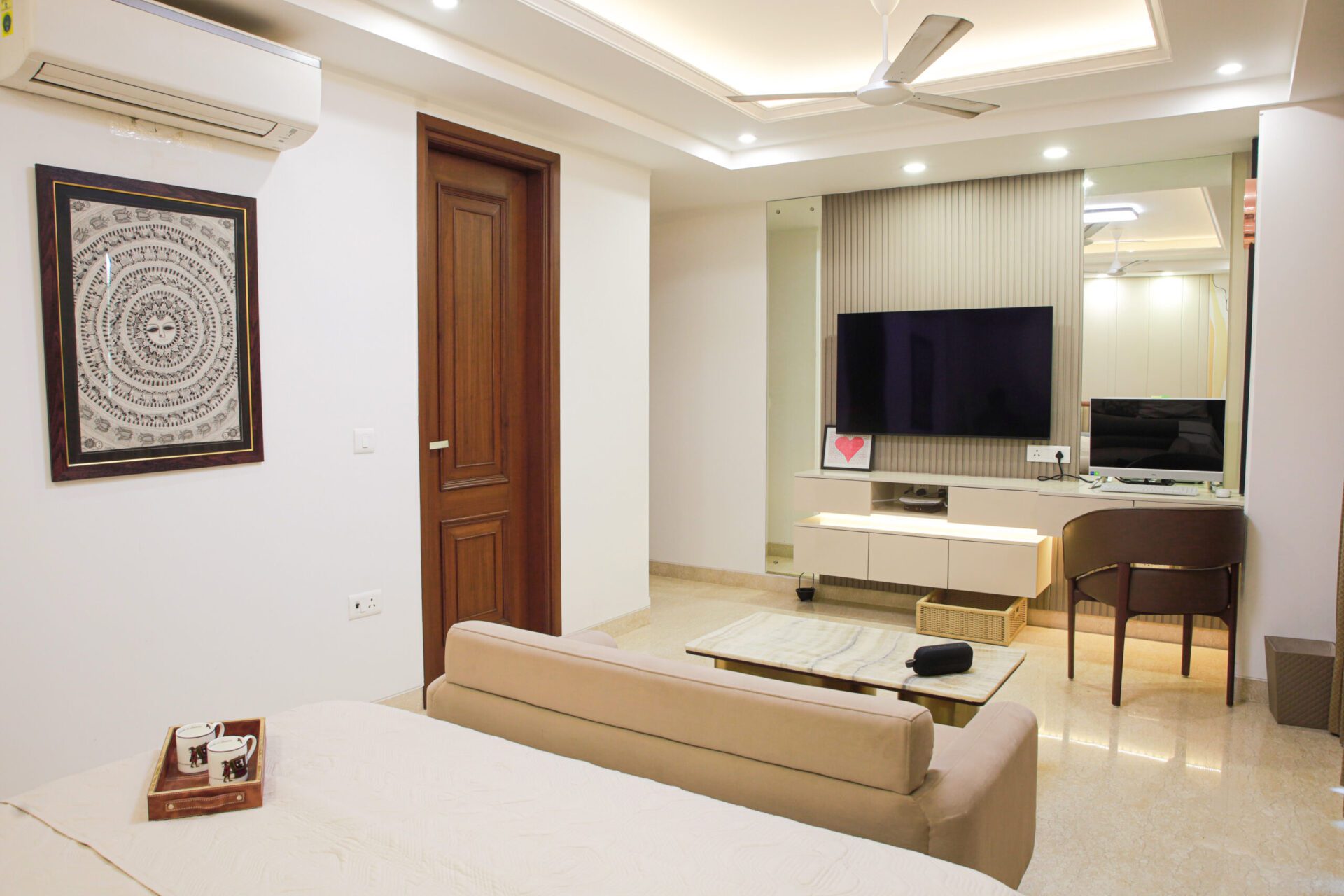
Mirrors are a powerful tool for creating the illusion of more space, particularly in smaller rooms. They reflect light, making the room appear brighter and more open, and they can also visually expand the boundaries of the space. Strategic placement is key; a large mirror positioned opposite a window will reflect the outdoor view, bringing the outside in and creating a sense of depth. Mirrors can also be used to highlight architectural features or to add a touch of glamour to a room. Consider using mirrored furniture, such as a mirrored side table or console, to further enhance the effect. However, avoid overusing mirrors, as this can create a disorienting and unsettling feeling. A few well-placed mirrors are more effective than a room covered in reflective surfaces.
- Invest in multi-functional furniture.
- Utilize vertical space with shelving.
- Prioritize quality and durability.
- Choose furniture proportionate to the room’s size.
- Use mirrors strategically to reflect light and create space.
Thoughtful planning and careful selection of furniture can transform even the smallest of spaces into comfortable and stylish havens. The possibilities are endless, and with a little creativity, you can create a home that feels both spacious and inviting.
The Significance of Lighting in Interior Design
Lighting is often referred to as the “jewelry” of interior design, and for good reason. It plays a crucial role in shaping the mood and ambiance of a space, highlighting architectural features, and enhancing the overall aesthetic. Effective lighting design involves layering different types of light – ambient, task, and accent – to create a balanced and functional scheme. Ambient lighting provides overall illumination, while task lighting focuses on specific areas for activities like reading or cooking. Accent lighting adds drama and highlights focal points, such as artwork or sculptures. Consider the color temperature of your light bulbs; warmer tones (around 2700K) create a cozy and inviting atmosphere, while cooler tones (around 5000K) are more energizing and appropriate for task-oriented spaces. Dimmer switches are invaluable, allowing you to adjust the intensity of the light to suit different moods and activities. Explore options like recessed lighting, pendant lights, floor lamps, and table lamps to achieve a layered and versatile lighting scheme. Don’t underestimate the impact of natural light – maximize its use by keeping windows clean and unobstructed.
Bringing the Outdoors In: Biophilic Design Principles
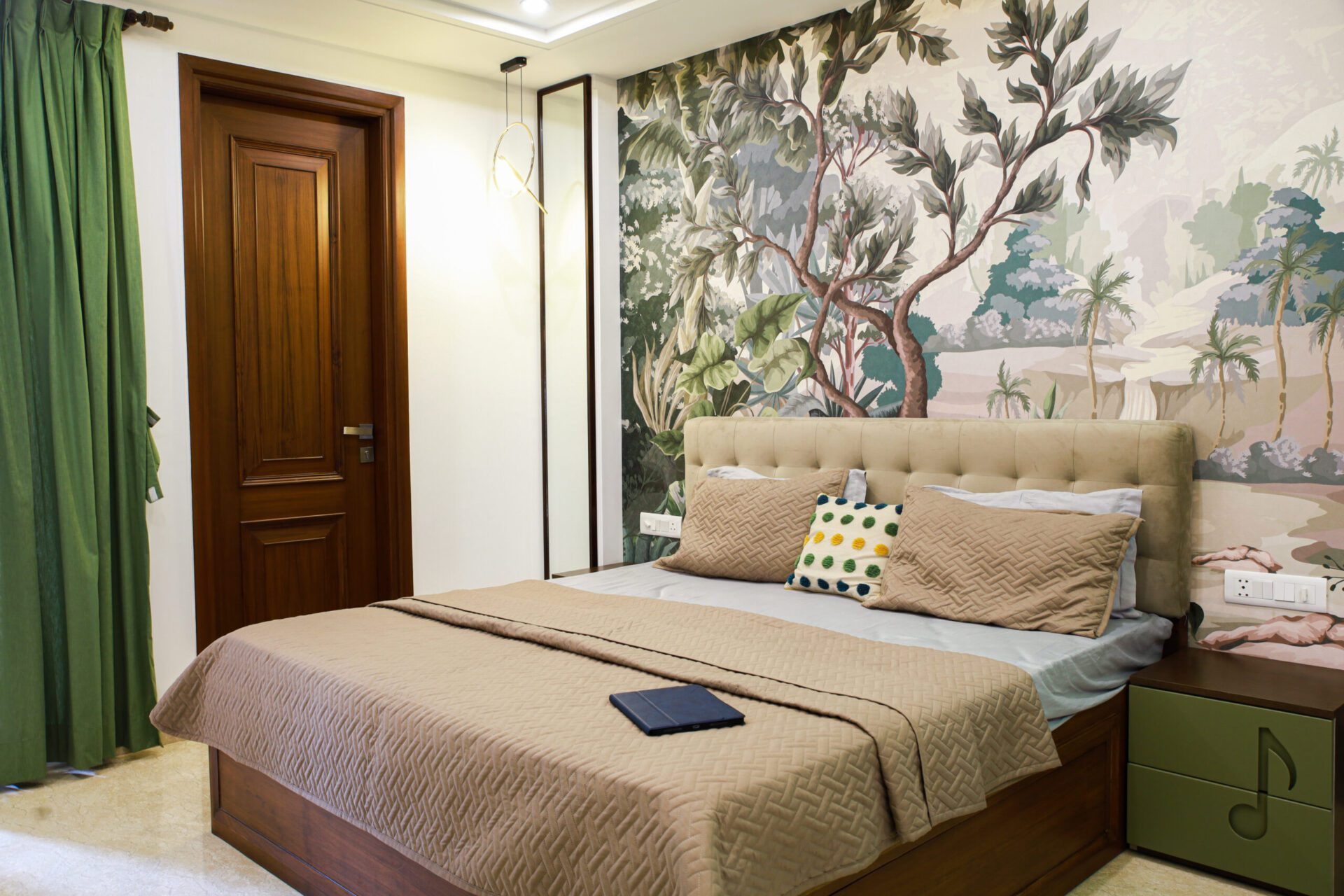
The increasing focus on wellness and sustainability has led to a growing interest in biophilic design – the practice of connecting people more closely with nature. Incorporating natural elements into interior spaces has been shown to reduce stress, improve cognitive function, and enhance overall well-being. This can be achieved through a variety of means, including the use of natural materials like wood, stone, and bamboo, the incorporation of plants and greenery, and the maximization of natural light. Bringing the outdoors in doesn’t necessarily require a complete overhaul of your décor; even small changes, such as adding a few potted plants or choosing artwork depicting natural scenes, can make a significant difference. Consider incorporating natural patterns and textures, such as wood grain or stone veining, into your design scheme. The goal is to create a space that feels connected to the natural world, promoting a sense of calm and tranquility. Resources like https://thespinkings.uk often feature pieces that align with these biophilic design principles, offering opportunities to create a more natural and harmonious living environment.
The integration of natural elements extends beyond aesthetics. It's about recognizing our innate connection to nature and designing spaces that support our physical and psychological well-being. A thoughtfully designed interior, inspired by the principles of biophilic design, can be a sanctuary—a place to recharge, reconnect, and thrive.
