
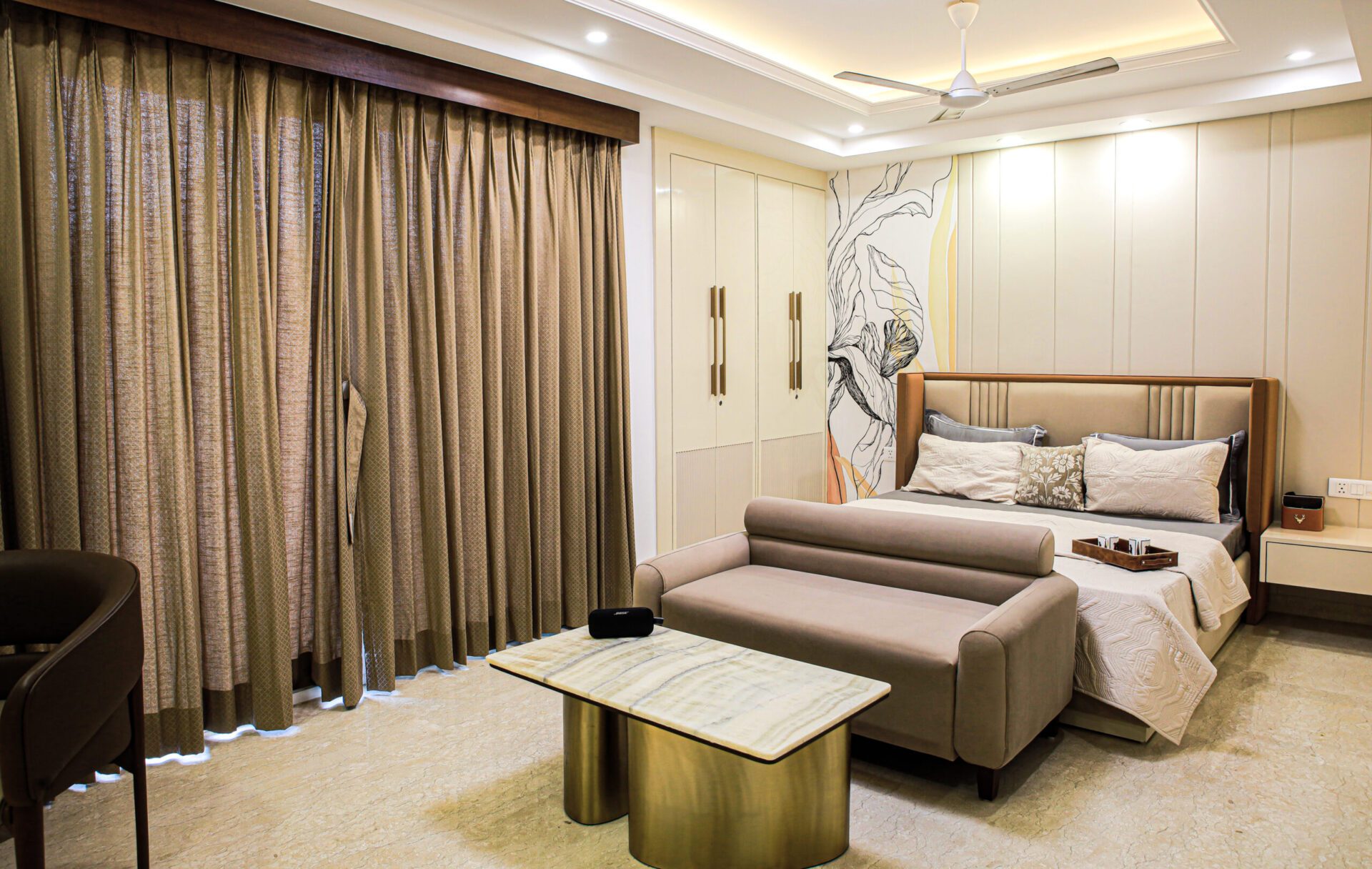
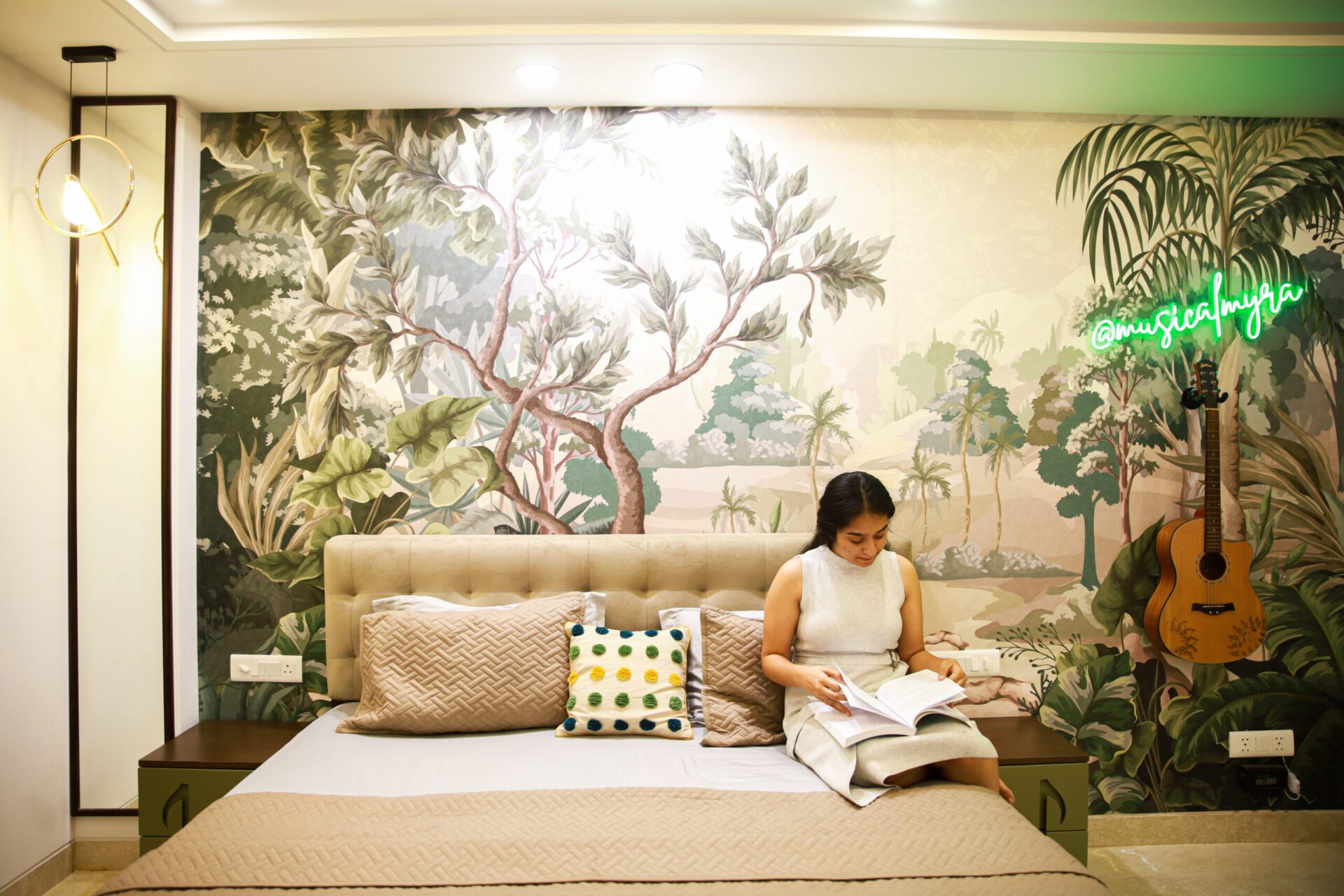
Elegant_fabrics_and_thespinkings_co_uk_redefine_modern_interior_design_choices
- Elegant fabrics and thespinkings.co.uk redefine modern interior design choices
- The Allure of Natural Fibers
- Understanding Fabric Weight and Weave
- The Rise of Textured Fabrics
- Incorporating Texture into Interior Design
- The Importance of Color and Pattern
- Selecting Patterns that Complement Your Space
- Sustainable Fabric Choices and Ethical Sourcing
- Beyond Decoration: Fabrics as Investments
Elegant fabrics and thespinkings.co.uk redefine modern interior design choices
The pursuit of beautiful and functional interior spaces is a constant evolution, driven by changing tastes and an increasing appreciation for quality materials. In recent years, there’s been a marked shift towards fabrics that not only look luxurious but also contribute to a sense of well-being and sophisticated design. The selection of the right fabrics can dramatically transform a room, influencing its mood, texture, and overall aesthetic. A key player in sourcing these high-end textiles is thespinkings.co.uk, a company dedicated to providing a curated collection of elegant fabrics for a discerning clientele.
Beyond mere aesthetics, modern interior design prioritizes durability, sustainability, and ease of maintenance. Consumers are increasingly aware of the environmental impact of their choices and are seeking fabrics that align with their values. This means a growing demand for natural fibers, recycled materials, and innovative production processes. The challenge for designers and homeowners alike is to navigate the vast array of options available and select fabrics that meet both their design aspirations and practical needs. Finding a reliable supplier that understands these nuances is paramount, and thespinkings.co.uk positions itself as that trusted source.
The Allure of Natural Fibers
Natural fibers continue to dominate the world of interior textiles due to their inherent beauty, breathability, and sustainability. Linen, for example, possesses a unique texture and a relaxed elegance that complements a wide range of design styles. It’s derived from the flax plant and is known for its strength and ability to soften with each wash, making it ideal for upholstery, curtains, and bedding. Cotton, another staple, offers versatility and affordability, lending itself to numerous applications from casual everyday use to more refined treatments. However, the quality of cotton varies significantly, with long-staple varieties like Egyptian or Pima cotton offering superior softness, durability, and color retention. Choosing the correct weight and weave of cotton is crucial for its intended purpose; a heavy canvas will be suitable for robust upholstery, while a lighter voile will work best for sheer curtains.
Understanding Fabric Weight and Weave
The weight and weave of a fabric significantly impact its performance and aesthetic qualities. Fabric weight, typically measured in ounces or grams per square meter, determines its drape, durability, and insulation properties. A heavier fabric will generally hang more dramatically and provide better insulation, while a lighter fabric will be more airy and translucent. The weave, the way the yarns are interlaced, defines the fabric’s texture, pattern, and breathability. Common weaves include plain weave (a simple over-under pattern), twill weave (characterized by diagonal ribs), and satin weave (known for its smooth, lustrous surface). Each weave offers distinct advantages and disadvantages, making it important to select a weave appropriate for the desired look and function.
| Linen | 150-300 gsm | Plain Weave | Curtains, Upholstery, Bedding |
| Cotton | 110-300 gsm | Plain/Twill Weave | Upholstery, Clothing, Bedding |
| Silk | 70-150 gsm | Satin/Twill Weave | Draperies, Upholstery (protected), Scarves |
| Wool | 200-400 gsm | Twill/Plain Weave | Upholstery, Rugs, Throws |
Investing in high-quality natural fibers, sourced from reputable suppliers like those featured by thespinkings.co.uk, ensures a lasting and luxurious finish to any interior design project.
The Rise of Textured Fabrics
Beyond basic weaves, the world of fabrics is seeing a resurgence in textured materials. Bouclé, with its looped surface, offers a tactile and visually interesting element to upholstery and accent pieces. Chenille, known for its soft, velvety feel, brings warmth and comfort to any space. Velvet, a classic choice, continues to be popular for its luxurious sheen and opulent appearance. However, modern velvet is often blended with synthetic fibers to enhance its durability and stain resistance. The skillful use of texture can add depth and dimension to a room, creating a more inviting and sophisticated atmosphere. Combining different textures – a smooth silk with a rough linen, for example – can create a dynamic and visually appealing contrast. It’s also important to consider how texture interacts with light; a heavily textured fabric will absorb more light, creating a softer, more muted effect.
Incorporating Texture into Interior Design
Successfully incorporating texture into an interior design scheme requires careful consideration of the overall aesthetic. A minimalist space might benefit from a single, dramatic textural element, such as a bouclé armchair or a velvet cushion. In a more maximalist space, layering different textures can create a rich and eclectic look. It’s important to maintain a sense of balance and avoid overwhelming the eye. Consider the scale of the texture as well; a large-scale texture might be best suited for larger spaces, while a smaller-scale texture could work well in smaller rooms. Additionally, think about the tactile experience of the fabric; how does it feel to the touch? This is particularly important for upholstery and bedding, where comfort is paramount.
- Bouclé fabrics add a playful, informal look.
- Velvet introduces a luxurious and sophisticated feel.
- Chenille provides unparalleled softness and comfort.
- Linen offers a natural, relaxed aesthetic.
- Silk incorporates a touch of elegance and refinement.
The correct integration of textures sourced from specialized outlets like thespinkings.co.uk can elevate any design.
The Importance of Color and Pattern
Color and pattern are powerful tools for transforming a space, influencing mood, and expressing personal style. Neutral colors, such as beige, gray, and white, provide a versatile backdrop for layering textures and adding pops of color through accessories. Bold colors, on the other hand, can make a statement and create a focal point in a room. When choosing colors, it’s important to consider the existing color scheme of the space and the desired effect. Warm colors, such as red, orange, and yellow, tend to create a cozy and inviting atmosphere, while cool colors, such as blue, green, and purple, promote a sense of calm and tranquility. Patterned fabrics can add visual interest and personality to a room, but it’s important to use them judiciously. Too many patterns can create a cluttered and overwhelming effect.
Selecting Patterns that Complement Your Space
Selecting the right patterns involves considering scale, color, and style. Large-scale patterns are best suited for larger spaces, while smaller-scale patterns can work well in smaller rooms. The colors in the pattern should complement the existing color scheme of the space. Different pattern styles – floral, geometric, abstract – evoke different moods and aesthetics. Floral patterns tend to be more feminine and romantic, while geometric patterns are more modern and sophisticated. Abstract patterns offer a more artistic and unconventional look. Don't be afraid to mix and match patterns, but remember to create a sense of harmony by using a common color or theme.
- Start with a neutral base.
- Introduce a limited color palette.
- Choose patterns that complement each other.
- Consider the scale of the pattern.
- Don’t be afraid to experiment.
The fabrics available through thespinkings.co.uk provide a wide spectrum of color and patterned options.
Sustainable Fabric Choices and Ethical Sourcing
The growing awareness of environmental issues has led to a greater demand for sustainable fabrics and ethical sourcing practices. Organic cotton, grown without the use of harmful pesticides and fertilizers, is a popular choice for environmentally conscious consumers. Recycled fabrics, made from post-consumer waste, reduce landfill waste and conserve natural resources. Other sustainable options include hemp, bamboo, and Tencel, a fiber made from wood pulp. Ethical sourcing ensures that fabrics are produced under fair labor conditions and with respect for the environment. Consumers are increasingly seeking transparency in the supply chain, wanting to know where their fabrics come from and how they are made. Supporting companies that prioritize sustainability and ethical sourcing is a responsible choice that benefits both the planet and the people involved in the production process.
The fabric industry is undergoing a significant transformation, with innovative technologies emerging to reduce its environmental impact. Waterless dyeing techniques, for example, minimize water consumption and pollution. Biodegradable fabrics, which decompose naturally at the end of their life cycle, offer a sustainable alternative to synthetic materials. By making informed choices and supporting sustainable brands, consumers can contribute to a more responsible and ethical fabric industry – this includes knowing what to look for when purchasing your fabrics, like those offered at thespinkings.co.uk.
Beyond Decoration: Fabrics as Investments
Many view fabrics simply as decorative elements, but a considered investment in high-quality textiles can yield long-term benefits. Durable fabrics withstand frequent use and resist wear and tear, reducing the need for replacements. Easy-to-maintain fabrics save time and money on cleaning and repairs. Fabrics that retain their color and shape for years to come maintain the aesthetic integrity of a space, increasing its value. Choosing classic, timeless fabrics over trendy ones ensures that a space remains stylish and relevant for years to come. Properly cared for, high-quality fabrics can last a lifetime, becoming cherished heirlooms passed down through generations.
Consider a client renovating a historic home; preserving the original character of the building often involves sourcing fabrics that are historically accurate and made with traditional techniques. Investing in these materials not only enhances the aesthetic appeal of the home but also preserves a piece of history. Moreover, supporting artisans and preserving traditional crafts contributes to the cultural heritage of a region. The initial cost of high-quality fabrics may be higher, but the long-term return on investment – in terms of durability, aesthetics, and sustainability – makes them a worthwhile investment.
